


Angel One has transformed from a traditional broker into a technology-led fintech platform with its “SuperApp” strategy. The company offers a diversified suite of services including broking, margin trading, mutual funds, insurance, lending, and wealth management.
With strong penetration in Tier-2 and Tier-3 markets and a hybrid (digital + assisted) model, Angel One positions itself as a stable, value-oriented compounder transitioning into a full-stack financial ecosystem.
Groww (Billionbrains Garage Ventures Ltd), founded by former Flipkart executives, has rapidly emerged as India’s largest digital-first investment platform by active users. Operating a pure-play digital model, Groww offers equities, mutual funds, ETFs, IPOs, and lending products. With strong adoption among millennials and Gen Z investors, it is positioned as a high-growth, scalable fintech disruptor.
FUNDAMENTALS & KEY METRICS
Angel One has a market capitalization of approx ₹21,900 crore and has generated trailing 12-month revenue of over ₹4,700 crore. The company reported a net profit of around ₹770 crore during the same period, reflecting a strong ROE of 27%. It is currently valued at a P/E ratio in the range of 28–29x and a dividend yield of approx 2%, making it a balanced mix of growth and income for investors.
Interpretation: Angel One trades at reasonable valuations, offering a balance between growth and income. Its profitability reflects a mature and cash-generating business model.
Groww has a market capitalization of over ₹1,03,000 crore, reflecting its strong growth trajectory in India’s fintech space. For FY25, the company has generated revenue of ₹4,060 crore, with a robust net profit of around ₹1,800+ crore. This translates into an impressive ROE of approx 50%. However, the stock trades at a relatively premium valuation with a P/E ratio of about 64x, maintaining a negligible debt profile, indicating a strong and clean balance sheet.
Interpretation: Groww commands a premium valuation, driven by strong growth expectations, scalability, and leadership positioning—though with higher embedded risk.
LATEST FINANCIAL PERFORMANCE
Angel One is experiencing a moderation in revenue growth along with a decline in recent profitability. Additionally, regulatory tightening in the derivatives segment has further impacted performance. As a result, short-term earnings are under pressure due to these cyclical and regulatory factors, although the long-term fundamentals of the business remain intact.
Groww has delivered strong revenue growth over the past two years and has successfully transitioned from losses to profitability. However, there has been a slight moderation in performance in recent quarters. Overall, growth is normalizing after a phase of hyper-expansion, though scalability and operating leverage continue to remain strong.
TECHNICAL VIEW (MARKET STRUCTURE)
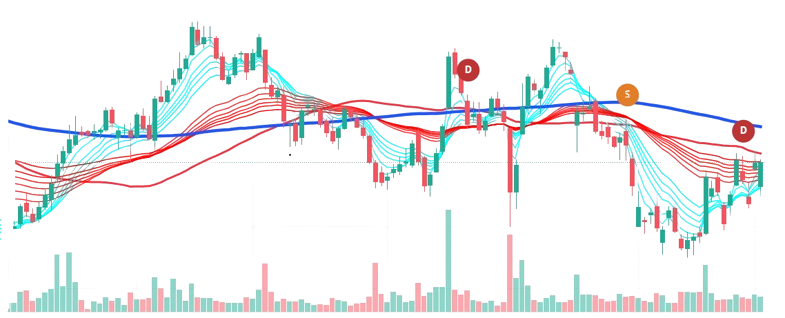
Angel One
Resistance around: ₹245–252
Supportaround: ₹235–238
Trading below key moving averages
👉 Indicates near-term weakness with potential recovery on breakout
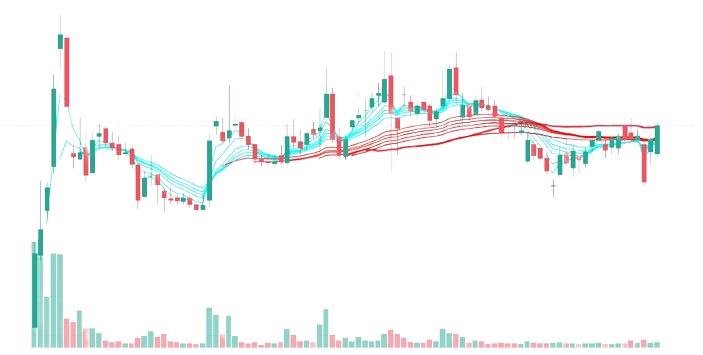
Groww (Post-IPO Assumption)
Resistance: ₹170–175
Support: ₹158–160
👉 Indicates base formation and breakout potential
GROWTH DRIVERS
Angel One is focused on building a comprehensive SuperApp ecosystem supported by AI-led personalization to enhance user experience and engagement. The company is actively expanding beyond broking into lending, insurance, and wealth management services, while continuing to strengthen its presence in Tier-2 and Tier-3 cities. With a steady increase in revenue per client, its overall strategic direction emphasizes a balanced approach of stability combined with diversification.
Groww has built the largest active user base in India, driven by a strong organic customer acquisition engine. The company is steadily expanding into adjacent segments such as lending, wealth management, and advisory services, while benefiting from a predominantly young user demographic that offers a long monetization runway. Its overall strategic focus is centered on achieving scale, driving disruption in traditional financial services, and building a comprehensive ecosystem.
RISKS & CHALLENGES
Angel One faces risks due to its high dependence on trading volumes and regulatory changes, particularly in the F&O segment. Increasing competition and declining promoter holding also add to concerns. Overall, the company carries a MODERATE RISK profile.
Groww is exposed to risks from its dependence on broking revenues and premium valuation, which may limit upside if growth slows. Regulatory tightening and execution challenges in diversification further add uncertainty. Overall, it carries a HIGH RISK profile.
FINAL COMPARISON & INVESTMENT VIEW
Angel One follows a hybrid model, blending digital and assisted services, enabling steady client growth. It offers moderate growth with strong profit stability, though earnings remain cyclical. The stock is reasonably valued with a medium risk profile. It is best suited for conservative investors seeking stable, consistent returns.
Groww operates on a fully digital model, driving rapid scalability and high user growth. It delivers high growth potential with moderate profit stability, still evolving in monetization. It commands a premium valuation with a high-risk profile, ideal for aggressive investors targeting long-term wealth creation.
CONCLUSION
Angel One and Groww represent two contrasting yet complementary plays on long-term financialization theme.
Angel One stands out as a proven, cash-generating, dividend-paying compounder—well suited for investors seeking stability, reasonable valuations, and consistent returns.
Groww, on the other hand, is a high-growth fintech disruptor, offering significant upside potential but with materially higher risk and valuation sensitivity.
INVESTMENT PERSPECTIVE
Angel One appears to be the better long-term buy at current levels. At 29x earnings and 3.8x book value, it is available at a fair valuation for a business with a strong track record. Since listing, the it has delivered exceptional returns, supported by robust profitability and consistent dividend payouts. The recent slowdown in earnings on, TTM basis, is largely cyclical—driven by softer trading volumes—rather than structural. A recovery, therefore, seems more a question of timing than direction.
Groww may be the superior growth business—but it is also significantly more expensive. Trading at 64–65x earnings and 13–14x book value, the stock embeds high growth expectations with limited margin for error. In such cases, even minor disappointments—whether from regulatory changes, competitive pressures, or valuation compression—can lead to sharp downside, regardless of underlying business strength.
Bottom Line
Great businesses bought at reasonable valuations tend to outperform great businesses bought at expensive valuations.
At present, Angel One fits the former category, offering a more balanced risk-reward profile.
Groww remains attractive for long-term growth, but a more favorable entry point—especially after valuation correction—would significantly improve its investment case.
Disclaimer
This analysis is intended solely for informational purposes and does not constitute any investment or financial advice. All information is sourced from public company filings, analyst reports, and third-party sources believed to be reliable. In accordance with SEBI guidelines, market data is presented accordingly. Investors should conduct independent research, perform due diligence, and consult qualified financial advisors before making any investment decisions. The views expressed are personal and may be subject to errors or biases.
LET US TALK: What’s your take—do you prefer stable compounding with consistency, or are you inclined toward high-growth opportunities that come with higher risk? Let’s discuss your strategy, allocation, and long-term outlook.